
A Living Gift
/Sabrina Henderson donated a portion of her liver to her mother, Carol Rodenroth
By Brandon Shoemaker
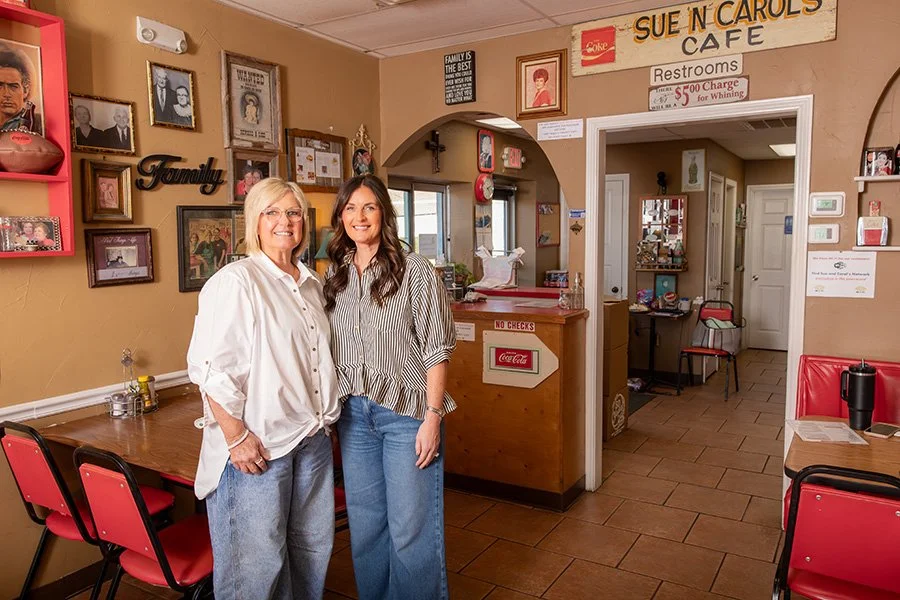
Photo by shane darby.
For nearly 50 years, Sue & Carol’s has been serving more than home-cooked meals on State Line Avenue. The restaurant has also served dependability and comfort through familiar faces and the quiet assurance that some things—like peach pie and friendly conversation—can still be counted on.
But, unbeknownst to many patrons of this Texarkana staple, the family behind the counter was fighting a battle that had nothing to do with recipes or restaurant hours, and everything to do with survival.
A little over a year ago, Carol Rodenroth—owner of Sue & Carol’s and daughter of founder, Sue—needed a new liver.
“I was really scared,” Carol said. “I didn’t want somebody to die to give me one. I just kept thinking, ‘Who am I for someone to give up their life to save mine?’”
The origin of Carol’s liver disease traced back decades, to a serious car accident in 1988 that required multiple blood transfusions—though, at the time, donated blood was not routinely screened for hepatitis C. Years later, Carol learned she carried the virus, and it was eventually cured through treatment—but not before it had taken a lasting toll on her liver.
As her liver disease progressed, Carol began experiencing life-threatening internal bleeding caused by esophageal varices, fragile veins that rupture under pressure. Twice, she nearly bled to death: once at home and once while camping with her grandchildren, when she was airlifted to Little Rock in the middle of the night.
“That was when it started really getting scary for our family,” recalled her daughter Sabrina Henderson, who also works at the restaurant. “We were told that, if it happened at home again, she might not make it.”
Doctors were able to place a shunt that stabilized Carol temporarily, but the underlying issue remained. Eventually, Carol was placed on the liver transplant list. The calls came, but the reality of receiving an organ from a deceased donor proved overwhelming.
“I turned down the first one,” Carol admitted. “Then the second. I still wasn’t ready.”
After accepting the third offer, the transplant attempt ended after the family drove to Dallas in a caravan, only to be told that the donor liver was not viable.
That was the turning point.
Since the liver is the only organ in the human body that can regenerate, doctors began encouraging the family to consider a living donor transplant, a procedure more common internationally but increasingly practiced in the United States. All four of Carol’s children volunteered to be tested. Two daughters were viable matches.
Initially, doctors favored Carol’s youngest daughter, Kelsey. But Sabrina, the oldest, couldn’t accept that outcome.
“She had four kids under 8,” Sabrina said. “It just didn’t feel right. I told her, ‘Let me do this.’”
“I didn’t want her to do it. But she told me, ‘Mom, this is what I’m supposed to do.’ And I finally found peace in that.”
Sabrina, healthy and in her 40s, underwent months of testing: MRIs, CT scans, bloodwork, and consultations. In July of 2024, she was approved. Surgery was scheduled for September 23rd, 2024.
“They took about 65–70% of my liver,” Sabrina said matter-of-factly. “It was a seven-hour surgery.” Carol’s surgery took even longer—so long, in fact, that surgeons paused overnight and completed it the next morning.
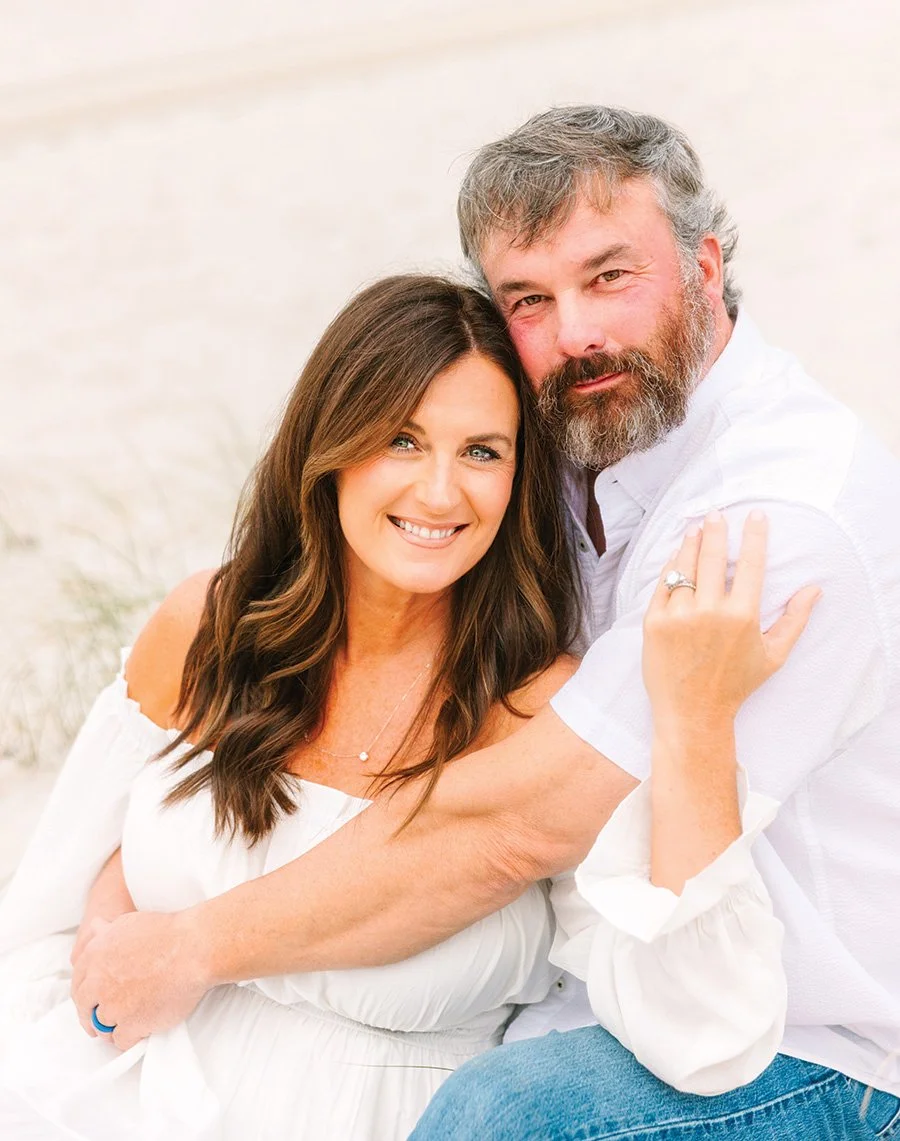
Sabrina’s husband, Frank, supported her decision to become a living organ donor. “What she did was the most honorable thing a person could do,” he said.Sabrina’s husband, Frank, supported her decision to become a living organ donor. “What she did was the most honorable thing a person could do,” he said. submitted photo.
When the two women finally began recovery, something Sabrina never expected happened. “Mom got out of bed before I did,” Sabrina laughed. “She actually walked to my room before I had even gotten out of bed.”
Within weeks, both women were healing—proof of the liver’s remarkable ability to regenerate. While Carol’s new liver began functioning almost immediately, Sabrina’s body had to work overtime in the first month, rebuilding what was removed, which caused extreme fatigue.
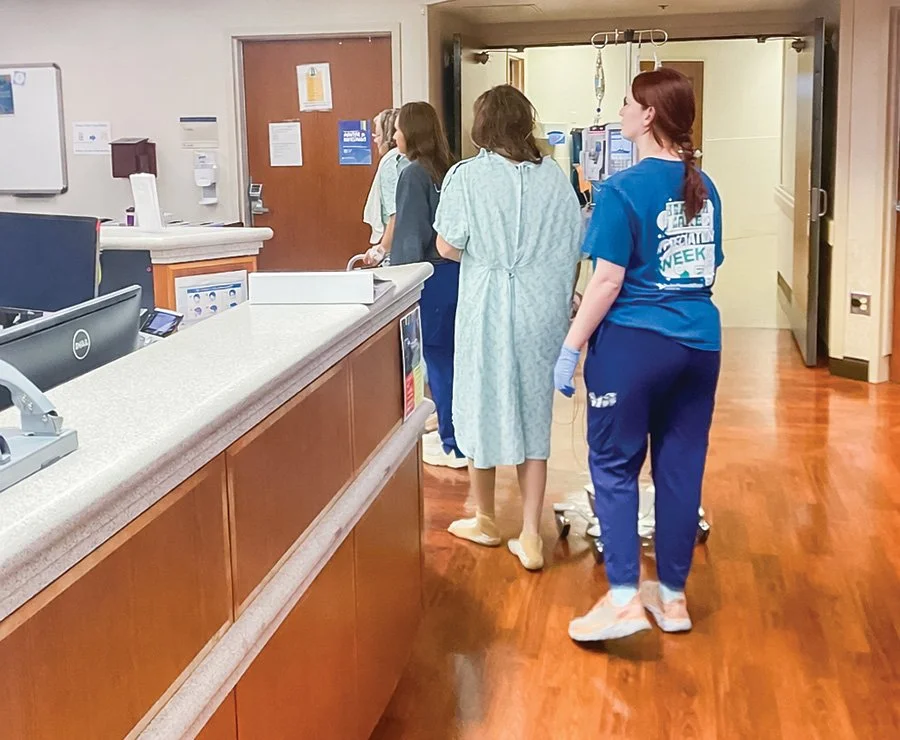
“Mom got out of bed before I did,” Sabrina laughed. “She actually walked to my room before I had even gotten out of bed.”
“The doctors told us the liver doesn’t necessarily grow back to the same size,” Sabrina explained. “It just learns to function like a normal one again.”
Throughout it all, the restaurant managed to thrive.
Family members, employees, and customers quietly stepped in. “Everyone just pulled their weight,” Sabrina said. “People were patient. They understood.”
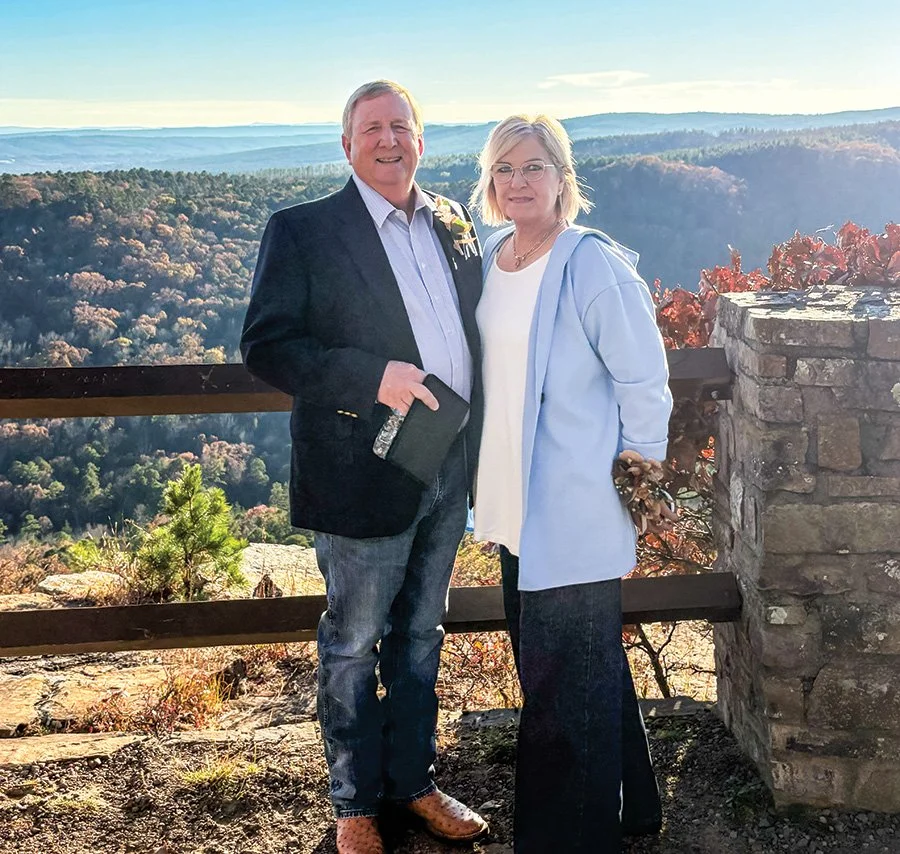
Carol and her husband, Rick, traveled to Petit Jean National Park last November. submitted photo.
Sabrina’s husband, Frank, stayed by her side during recovery in Dallas, where the couple lived in a transplant-housing apartment in the weeks following the surgery so that they were close to her doctors if any complications arose.
“At first, [I felt] overwhelming pride,” Frank said, recalling the moment he learned of Sabrina’s decision. “Then the fear set in. They were taking a perfectly healthy person and doing a major surgery she didn’t need, for someone else.”
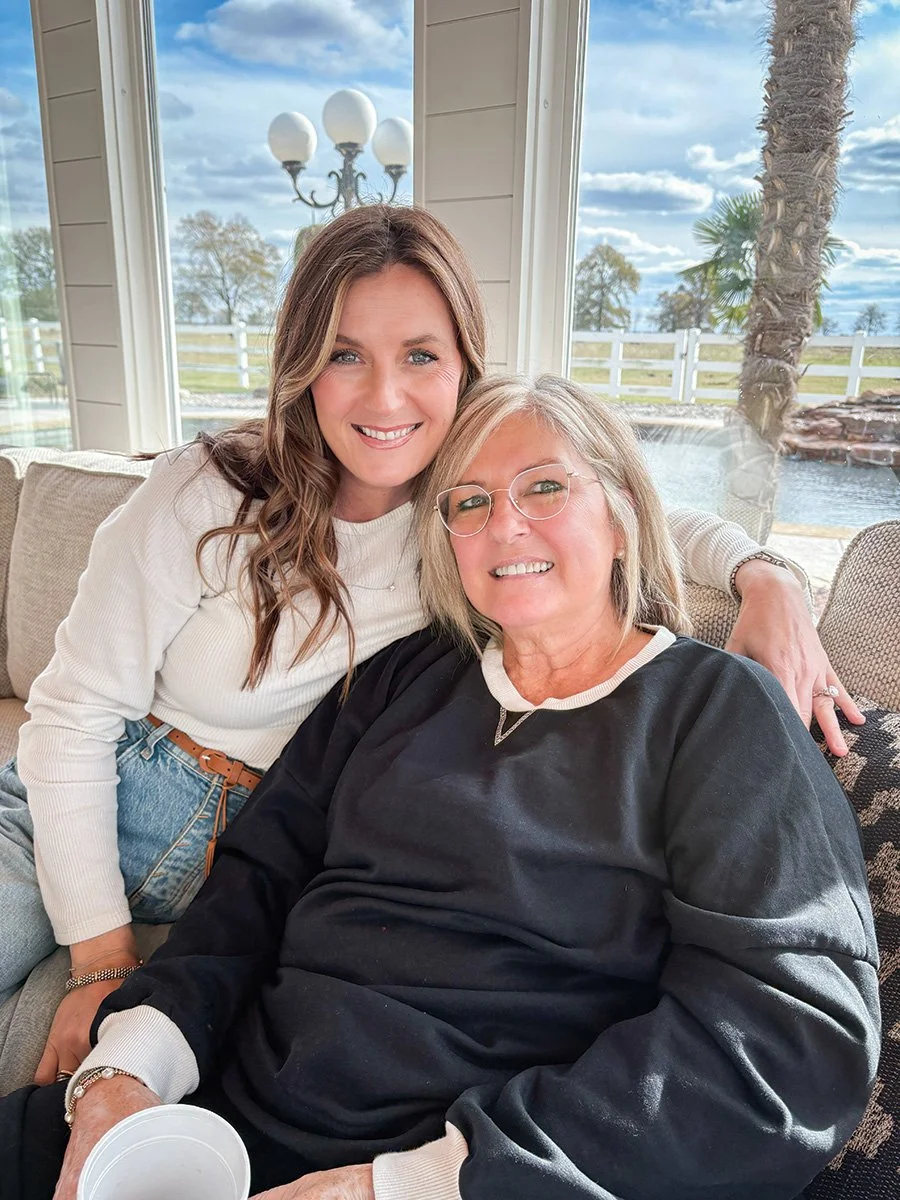
Sabrina and Carol both recovered well after the transplant. submitted photo.
Still, he never questioned her decision.
“What she did was the most honorable thing a person could do,” he said.
Carol, however, struggled with accepting her daughter’s sacrifice.
“I didn’t want her to do it,” she said. “But she told me, ‘Mom, this is what I’m supposed to do.’ And I finally found peace in that.”
That peace carried them through recovery—and back to Sue & Carol’s.
“Yes, it’s scary. But you’re giving someone more time. And that’s worth it.”
Today, Carol is back behind the counter, greeting customers and shooting basketballs with her grandchildren after-hours. Sabrina has returned to work alongside her, both women healthy and grateful.
“I wake up thankful every day,” Carol said. “I got a second chance at life.”
For Sabrina, the experience reshaped her understanding of wellness.
“Don’t take your health for granted,” she said. “Enjoy your body if it’s healthy. Love your family. It can all change in an instant.”
Both women hope their story helps ease fear around living organ donation.
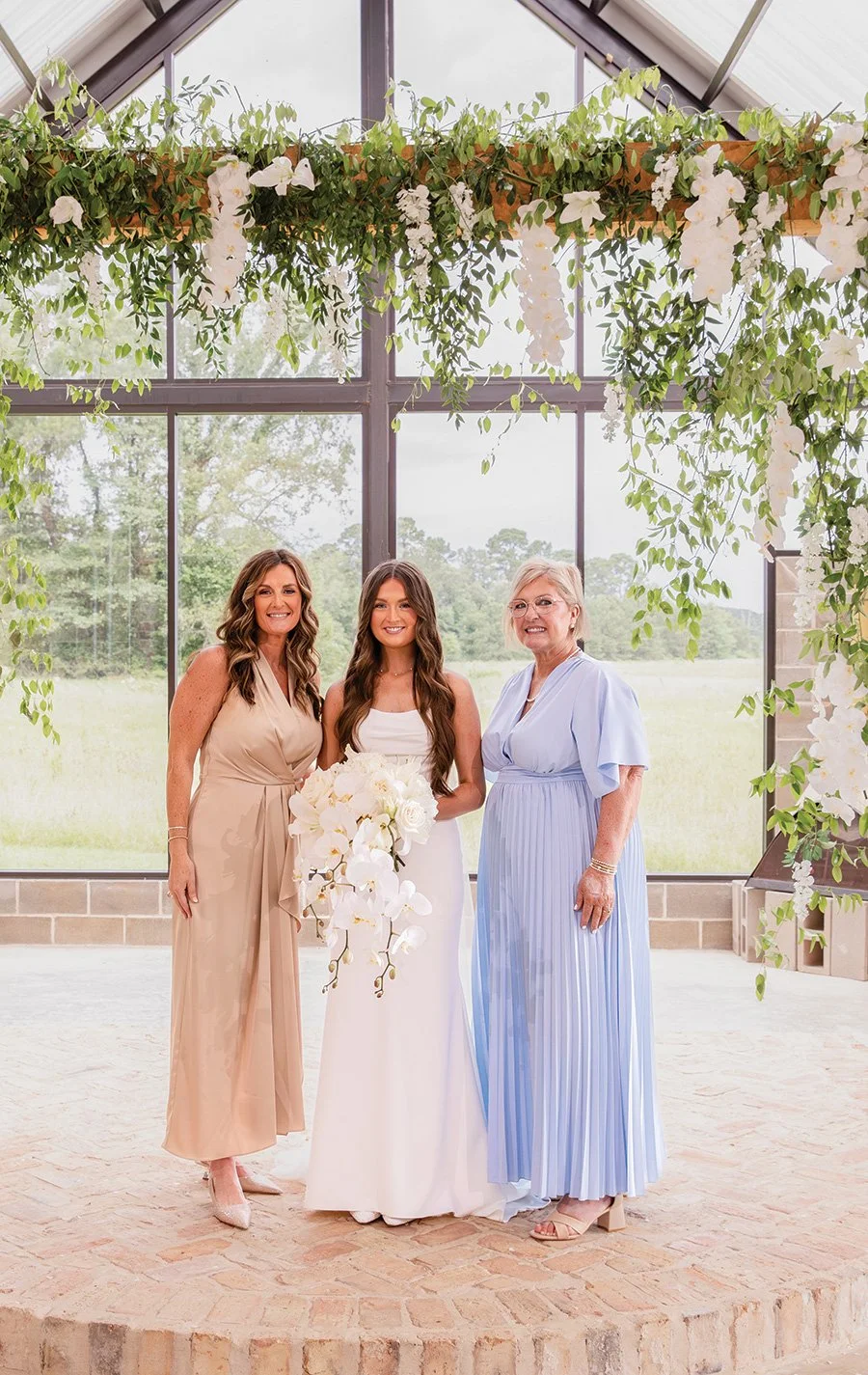
Sabrina and Carol pose with Taylor Power, Sabrina’s daughter, at her 2025 wedding. Carol was Taylor’s “something blue” for her wedding day. submitted photo.
“The biggest thing people misunderstand is the fear,” Sabrina said. “Yes, it’s scary. But you’re giving someone more time. And that’s worth it.”
At Sue & Carol’s, the pie still sells out. The coffee still flows. And the family that built it continues to serve Texarkana, now with a story that reminds us what it truly means to give of ourselves.