
Something to Chew On
/Have your broccoli and eat cheese, too
By Scarlett Stussy Chaidez, MCN, RD, LD
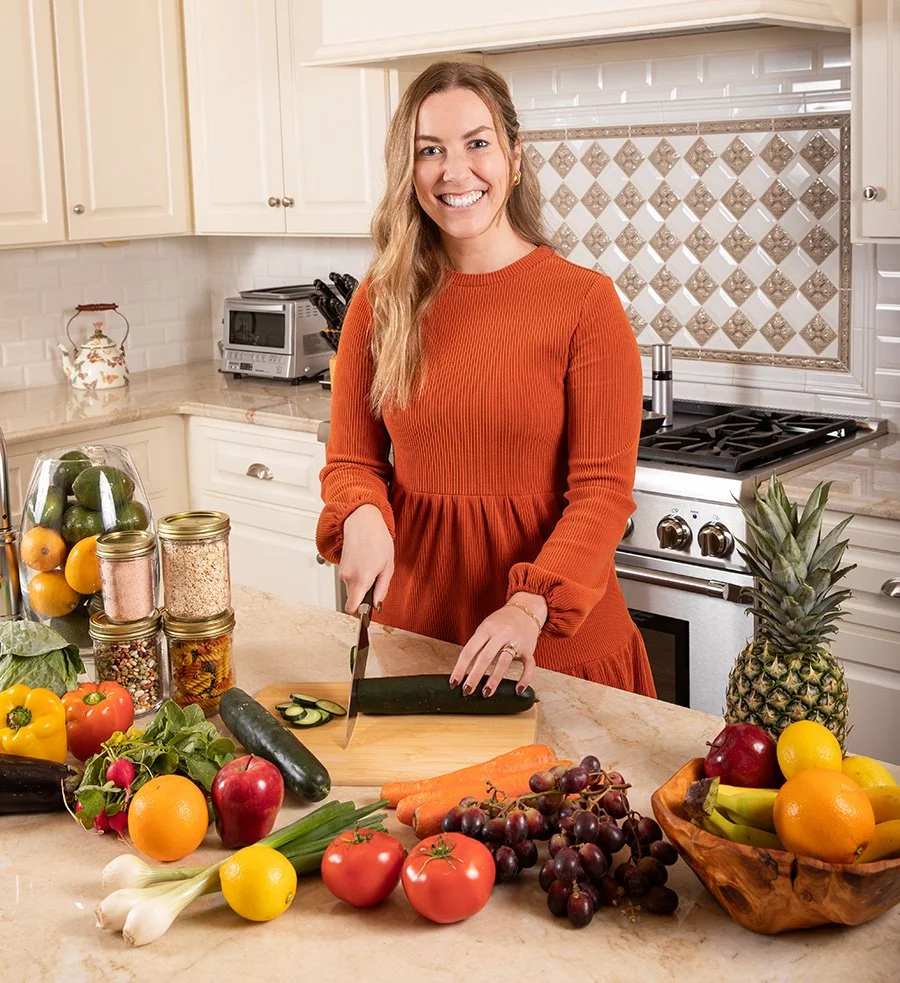
Even though I now live in Fort Worth, I love telling people about my time growing up in Texarkana: the post office in the middle of State Line, the cross-town high school football rivalry, the difference in sales tax that will make a Sonic drink on the Arkansas side more expensive than the Texas side. “Twice as Nice” ends up being pretty quirky, right? And I’ve always jokingly thought that I embodied Texarkana because I was born in the capital city of Arkansas on Texas Independence Day (which is March 2nd, in case anyone wants to celebrate).
Growing up, my mom lived on the Texas side, and my dad and stepmom lived on the Arkansas side, so I grew up in our two states simultaneously. I went to Texas High School, was the goalie for the girls’ soccer team, and wrote for the school newspaper.
I’ve been a foodie my whole life. I remember sitting in a high chair asking my mom for several servings of cheese-covered broccoli. I’m not sure if I like the cheese or the broccoli more. Despite my enchantment with food, I still struggled to figure out what career I wanted to have. I loved taking culinary classes at Texarkana College, but I knew that being in a kitchen all day wasn’t for me. My whole family is in the medical field, so that was always interesting, but I didn’t see myself as a nurse or doctor, either. I started my undergraduate at Dallas Baptist University without much of a game plan.
Somewhere along the way, my dad said, “Have you ever thought about being a dietitian?” and it made all the sense in the world. After finishing at DBU, I earned my master’s in clinical nutrition at UT Southwestern in Dallas. Since then, I’ve worked at a 700-bed hospital, an eating disorder outpatient clinic, and now have my favorite position as an outpatient senior dietitian with Doherty Nutrition in Fort Worth.
So, You’re Not A Nutritionist?
“You have a master’s degree in nutrition, but you’re called a ‘dietitian,’ not a ‘nutritionist?’” Yes—it’s confusing, I know. My own dad even has trouble keeping it straight (shout out to Dr. Stussy at Family Medical Group!). Technically, I’m both a dietitian and nutritionist, but in Texas and Arkansas, “dietitian” means much more than “nutritionist.”
On both sides of the state line, dietitians are regulated health professionals whose practice is legally defined and overseen by state laws. “Nutritionists” are not. So technically, anyone in Texas or Arkansas could call themselves a “nutritionist” without any training or credentials (think: mom blogs, gym bros, and other random people on Facebook giving nutrition advice).
In order to hold the title “Registered Dietitian,” you have to earn a master’s degree in nutrition/dietetics, complete 900–1200 hours of supervised practice (through internships in hospitals, schools, allergy clinics, dialysis centers, diabetes clinics, etc.), and pass the Commission on Dietetic Registration’s national exam. Texas additionally requires dietitians to pass a state-level jurisprudence exam to become licensed. To remain a dietitian, you must complete 75 hours of ongoing learning every five years.
Texas and Arkansas both require dietitians to be licensed to practice medical nutrition therapy, which is an evidence-based, personalized, therapeutic approach to treating medical conditions through nutrition interventions. Because of this training, dietitians (like other health professionals) can bill insurance for their services and have virtual telehealth appointments with their clients.
Since anyone can call themselves a nutritionist or provide general nutrition education without state licenses, they can only offer general nutrition education, coaching, and wellness advice, and they cannot bill insurance for their services.
The same way doctors have specialties, dietitians also tend to specialize in different medical conditions or wellness subjects. I specialize in working with people who have prediabetes/insulin resistance, diabetes, and heart disease, and I work with other dietitians who specialize in pediatrics, eating disorders, sports nutrition, women’s health and hormones, gastrointestinal issues, cancer, weight management, veganism/vegetarianism, and general health and wellness.
All Foods Fit
I love that being a dietitian allows me to teach others how to enjoy their favorite foods in a way that improves their overall health and aids in managing chronic illnesses. I know that people tend to see dietitians as the “food police,” but I’m working to change that stereotype one client at a time. After all, I’ve always been a foodie, so I take joy in showing people how to incorporate more foods into their diets rather than how to restrict. I hope that, through this monthly column, I can help FSLM readers in a similar way. My future columns will dive deeper into specific topics and tips, but for now, I want to leave you with my boiled-down approach to developing a balanced lifestyle and eating pattern: putting cheese on broccoli doesn’t diminish the broccoli’s nutrients. In other words, we need both flavorful foods and nutrient-dense foods in our lives for enjoyment, health, consistency, and longevity.